

Let’s be honest. The plumbing in a multi-generational home isn’t just about pipes and drains. It’s the silent, often-overlooked backbone of daily life for grandparents, parents, teens, and toddlers all under one roof. And when it works, it’s a beautiful thing. When it doesn’t? Well, you know the chaos.
That’s why standard plumbing often falls short. A home designed for a nuclear family simply can’t handle the unique, simultaneous demands of three or four generations. You need a system built for volume, for accessibility, and frankly, for peace. This isn’t just an upgrade—it’s a necessity for modern living.
Why “Standard” Plumbing Just Doesn’t Cut It Anymore
Think of your plumbing like a highway. A two-lane country road is fine for a few cars. But during rush hour with trucks, minivans, and slow-moving vehicles all trying to get somewhere different? Gridlock. That’s your morning in a multi-gen home with standard pipes.
The pain points are real. Someone’s in the shower, the dishwasher is running, and a toilet flushes—suddenly, the shower goes ice cold. Or worse, you hear that dreaded gurgle from a drain. It’s a symphony of inconvenience. And that’s before we even consider safety and accessibility for older adults or the sheer volume of laundry a bustling household generates.
Key Plumbing Upgrades for a Harmonious Home
1. The Heart of the Home: Water Heater Solutions
Running out of hot water isn’t an option. A standard 40-gallon tank heater? Forget it. For specialized plumbing for multi-generational households, you need serious capacity.
- Tankless Water Heaters: These are game-changers. They heat water on-demand, providing an endless supply. Imagine back-to-back showers, laundry, and kitchen cleanup—all without a dip in temperature. The upfront cost is higher, but the long-term efficiency and sanity savings are immense.
- High-Capacity or Multiple Tank Heaters: If tankless isn’t feasible, a large-capacity tank (think 80+ gallons) or even two smaller tanks installed in series can create a robust reserve. It’s like having a bigger gas tank for your family road trip.
2. Drainage & Sewer: Avoiding the Backups
More people means more of, well, everything going down the drain. Hair, soap scum, food particles—it adds up fast. Here’s where proactive design is key.
Upsize Those Drain Lines. A standard 1.5-inch bathroom drain line might struggle. Upgrading to 2-inch lines for showers and tubs provides a smoother, faster flow and drastically reduces clogs. For the main sewer line, a 4-inch pipe is a wise investment over the typical 3-inch, offering much more forgiveness for high-volume use.
And don’t forget backwater valves. These one-way gates installed on your main sewer line prevent sewage from the city system from backing up into your basement—a critical safeguard for a home you can’t afford to have offline.
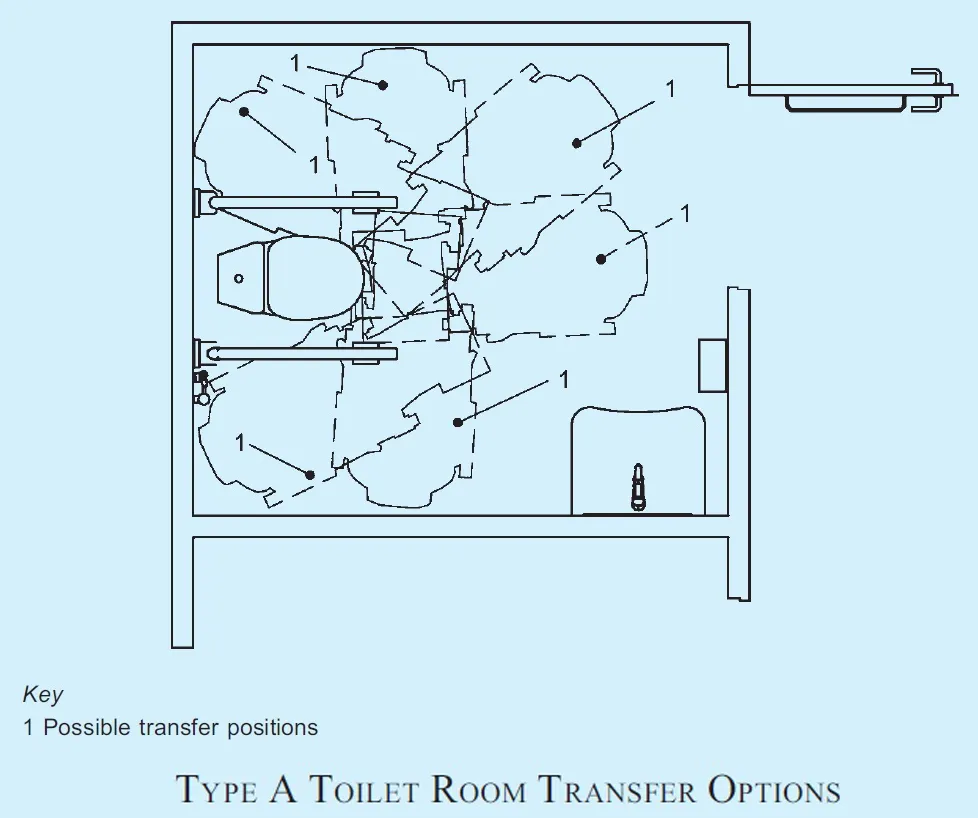
3. Accessibility & Safety: Universal Design Plumbing
This is about dignity and independence at every age. Thoughtful fixtures make the home safer and more comfortable for everyone.
| Fixture | Standard | Universal Design Upgrade |
| Shower | Step-over tub, slick surface | Zero-threshold walk-in, built-in bench, multiple grab bars |
| Toilet | Standard height (15-16 inches) | Comfort height (17-19 inches), wall-mounted for adjustable height |
| Faucets | Knobs or separate hot/cold | Single-lever or touchless operation, anti-scald thermostatic valves |
| Sinks | Vanity with cabinet below | Wall-mounted sink with open knee space, lever-handle drains |
Anti-scald devices, or thermostatic mixing valves, are non-negotiable. They maintain a safe output temperature, protecting young children and older adults with sensitive skin from sudden temperature spikes. It’s a simple install that prevents real tragedy.
The Laundry Room: Your Unsung Hero
In a multi-gen home, the laundry room isn’t a closet; it’s a command center. Here, efficiency is everything. Consider installing two laundry hookups. Seriously. It allows for two machines to run simultaneously—one for lights, one for darks, or separating household loads from personal ones. It cuts laundry day from a full-day ordeal to a manageable task.
And for that hookup, a dedicated hot water line and a floor drain are wise. The floor drain handles any overflow or leaks from high-efficiency machines, protecting your home from water damage during a heavy-use cycle.
Planning and Practical Considerations
Okay, so this all sounds great. But how do you make it happen without breaking the bank? Start with a professional plumbing audit. A specialist who understands the unique needs of multi-generational living can assess your current system and prioritize upgrades.
- Phase the work. Tackle the most critical pain points first—maybe the water heater and main drain line this year, accessible bathroom remodels next.
- Communicate with your plumber. Be explicit about your household’s composition and daily rhythms. Do you have three teenagers who shower at 7 AM? Does Grandma live on the first floor? These details guide the plan.
- Think long-term ROI. These upgrades significantly increase your home’s functionality, safety, and resale value. They’re an investment in your family’s daily quality of life.
Flowing Together
At the end of the day, specialized plumbing for a multi-generational household is about more than just technical specs. It’s about foresight. It’s about building a resilient infrastructure that supports the beautiful, complicated, bustling reality of your family’s life—without adding unnecessary stress.
It lets the morning routine unfold without drama, gives independence to those who need it, and handles the hidden workload of a full house. Because when the water flows reliably, and the drains work silently, the home just… hums. And that harmony, well, that’s the real foundation of everything.
About The Author


More Stories
Managing Tree Root Intrusion in Sewer Lines Without Full Excavation
Low-flow fixture upgrade planning for older apartment buildings
Whole-House Water Filtration for Well Water Systems: The Complete Guide